
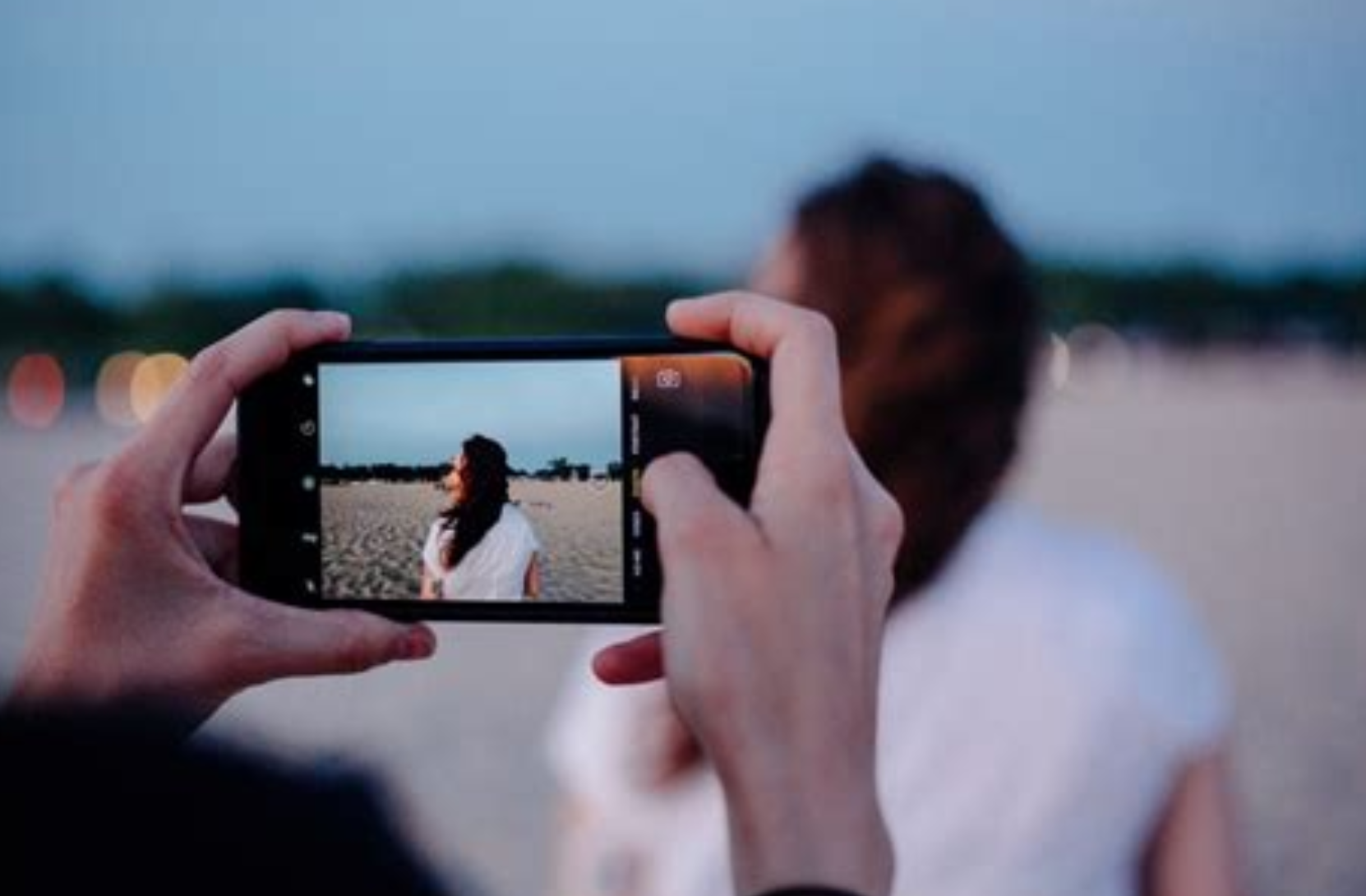
1 – Focus on individuals, not groups unless groups can illustrate a point such as size of a crowd. For example, avoid taking photos from the back of a room with lots of people that will show only the backs of their heads. Look for expressions or gestures that help tell the story.
2 – Get releases from anyone whose photo is taken. Anyone under 18 needs to have a release from parents or guardians. Sometimes there will be blanket releases that schools or other organizations hold. Make sure to get a copy for your organization’s file if that’s the case.
3 – Ensure demographic diversity of all kinds in photos.
4 – Make sure photos tell a story. Facial expressions can sometimes visually tell a story better than words.
5 – Write a caption of 7 – 10 words to describe what’s happening in the photo.
6 – Set your camera to the highest possible resolution to ensure the best quality for editing and sizing.
7 – Give yourself many options to get the shot just right by snapping lots of photos of the same subject. Most will be discarded, but it’s better to have a lot and not need them.
8 – Look for different perspectives/angles for your photos. Take photos from above or below the subject. Use a wide angle or close up to get variety in composition.
9 – Shoot in both portrait and landscape orientations to give a variety of options for different types of social accounts, websites or publications.
10 – Avoid too much light (overexposure) in the photos. It’s easier to brighten a dark photo than to tone down one that has too might light.